Open Source Hardware | TPM Modules, RTE & Open Hardware Products
Simply put, Open-source hardware is a term that refers to any type of device whose hardware specifications are fully documented or otherwise available.
What are the main advantages of using open hardware?
First of all – it maximizes the ability of third-party programmers and partners to work with a given device. In most cases, hardware manufacturers provide only a basic level of programmability by releasing software development kits (SDKs) or limited documentation about hardware specifications. Sometimes additional hardware information is available through partner programs. But with open-source hardware, all information is freely available to the public.
If you have ever wondered whether your webcam is spying on you or if someone is listening through your microphone, it’s likely because you’re unsure about all the possible features of these devices. That’s another big advantage of open hardware—you know exactly what the device is doing and how it works. With sufficient understanding, you can develop, add features, and customize it endlessly.
If it is open source, why are you selling it?
Open hardware means that you are provided with all the instructions, schematics, and the BOM (Bill of Materials). If you have all the parts and the necessary skills, you can build it yourself.
This is like a recipe. If you can cook it yourself—fair enough. But keep in mind that we are professional and dedicated “chefs”. Think of being our customer as similar to visiting a fine restaurant.
In our shop we offer some open-source hardware products assembled by us or, like the RTE or TPM2 modules, designed by us.
We have reference platforms for:
Hardware hands-on experience (CPU/SoC):
- AMD embedded G Series SoCs
- Steppe Eagle
- LX
- AllWinner H2+, H3, A10, A20, A33
- Nordic (NRF24L01, NRF51822)
- Odroid C1 and XU3 (Amlogic S805, Samsung Exynos 5 Octa)
- Broadcom BCM2835/BCM2836/BCM2837 (Raspberry Pi family)
- HiSilicon Hi3520, Hi3535, Hi3518, Hi3516C
- Intel Atom SoC
- Bay Trail
- Apollo Lake
- Braswell
- Denverton
- Intel Pentium/Core
- Ivy Bridge
- Sandy Bridge
- Skylake
- Kaby Lake
- HiSilicon Kirin 620
- RedBear Duo (STM32F2)
- Espressif ESP-01 – ESP-12 (ESP8266)
- Marvell Armada 88F7040, A8040, A388
- Microchip SMART SAMA5D2
- NXP i.MX6 family (i.MX6 D / DL) and i.MX8 family (i.MX8M)
- Rockchip RK3066, RK3288
- Texas Instruments AM335x, CC3100/CC3200, CC2541/CC2650, MSP430









Remote Testing Environment
Your little helper with Testing and Debugging
Tired of using many different peripherals and expensive hardware in testing and debugging Your devices? That’s all past!
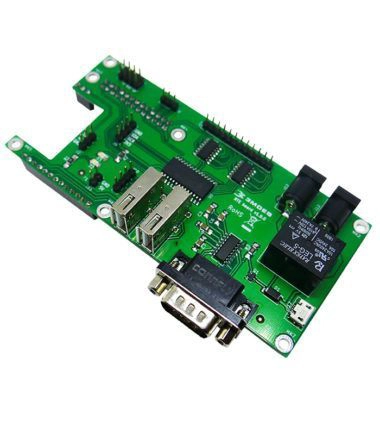
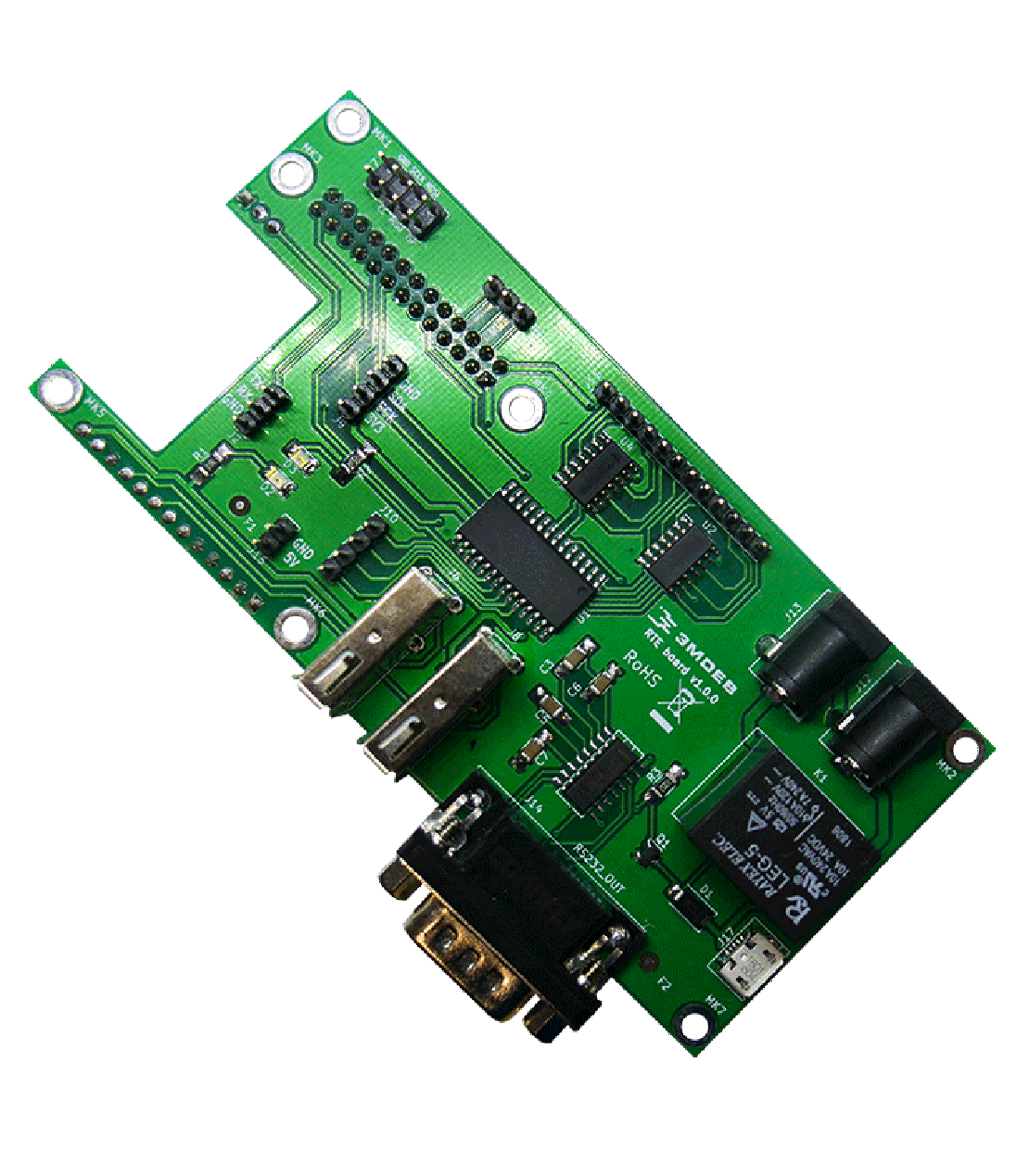
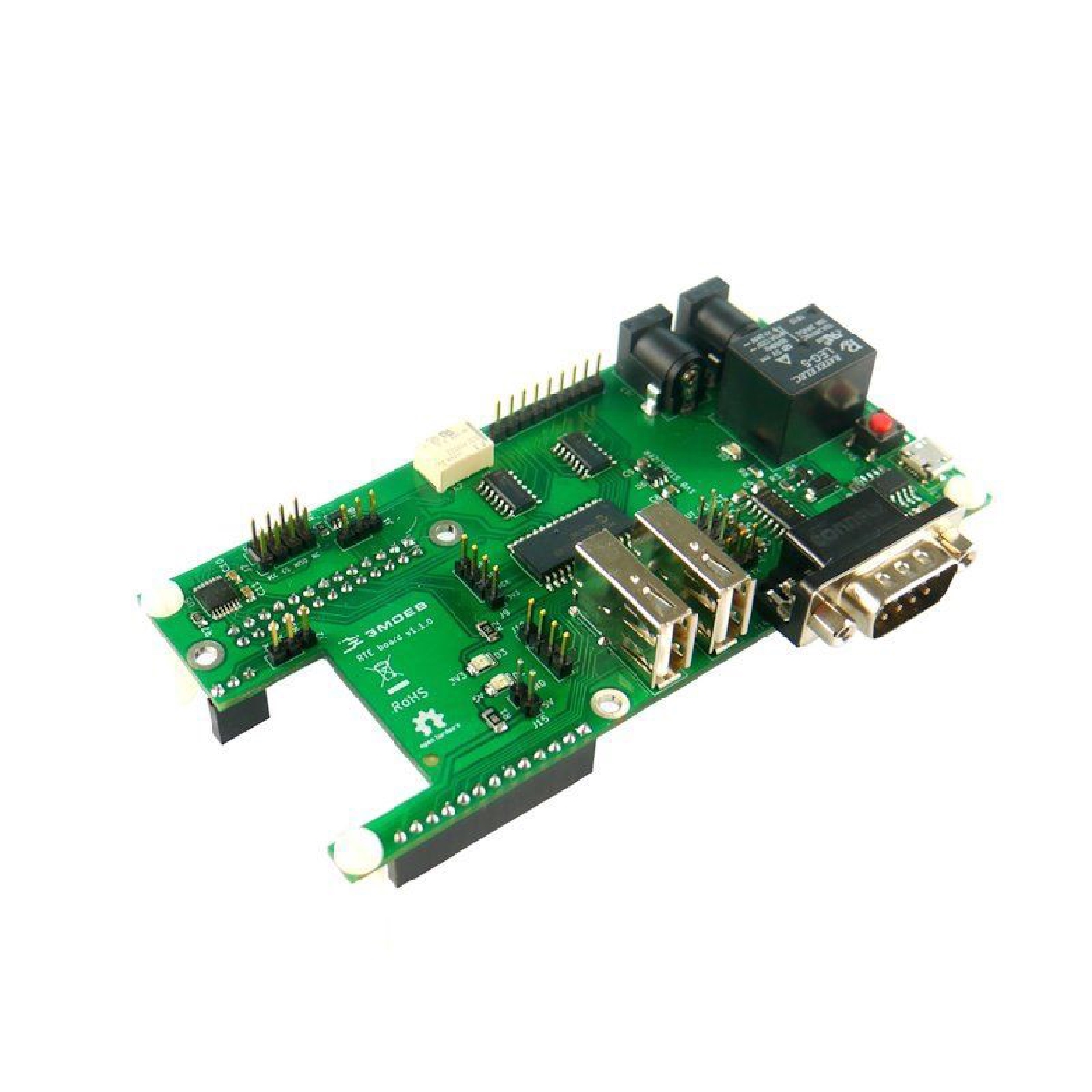
RTE is a hat designed for Orange Pi Zero board which runs specially crafted Linux distribution using the Yocto Project.
We developed RTE to enable programmers from around the world at a low level firmware development without hassle of expensive and bloated remote Keyboard-Video-Mouse devices.
In the result we have a tool which makes easier work with firmware debugging tasks. With RTE, your everyday work routines become much faster and easier to maintain from places not related to current setup location. Those include debugging tasks, flashing firmware, controlling GPIOs and power management for Device Under Test.



If you are firmware developer, tester, or just keen on electronics there is nothing, that make your life easier.
Read more about RTE specification and usage,
check the source files in the repository,
or explore examples of using RTE by visiting our Blog!
RTE makes the difference!
CHECK AVAILABILITYTPM modules
In anticipation of emerging trusted platform module (TPM) product capabilities, as well as requirements for device identification, authentication, encryption, measurement, and device integrity, DoD Components will ensure new computer assets (e.g., server, desktop, laptop, thin client, tablet, smartphone, personal digital assistant, mobile phone) procured to support DoD will include a TPM version 1.2 or higher where required by DISA STIGs and where such technology is available.
US Department of Defence Instruction NUMBER 8500.01 March 14, 2014
TPM (Trusted Platform Module) is an international standard for a secure cryptoprocessor, a dedicated microcontroller designed to secure hardware through integrated cryptographic keys.
What is TPM for? Is it really necessary?
Digital security is the computer equivalent of disaster insurance. Few people care very much about it or give it much thought, and everyone hates paying for it… until a catastrophe hits. Then we are either really glad we had it or really sad that we didn’t have enough of it or didn’t have it at all.
The TPM was designed as one of the core building blocks for digital security solutions. The November 2013 “Report to the President: Immediate Opportunities for Strengthening the Nation’s Cybersecurity” recommends “the universal adoption of the Trusted Platform Module (TPM), an industry-standard microchip designed to provide basic security-related functions, primarily involving encryption keys, including for phones and tablets.” Computers and devices that incorporate a TPM are able to create cryptographic keys and encrypt them so they can be decrypted only by the TPM.
Trusted Platform Module provides:
- A random number generator
- Facilities for the secure generation of cryptographic keys for limited uses
- Remote attestation: Creates a nearly unforgeable hash key summary of the hardware and software configuration. The software in charge of hashing the configuration data determines the extent of the summary. This allows a third party to verify that the software has not been changed.
- Binding: Encrypts data using the TPM bind key, a unique RSA key descended from a storage key.
- Sealing: Similar to binding, but in addition, specifies the TPM state for the data to be decrypted (unsealed).
TPM2 compatibility
and firmware update
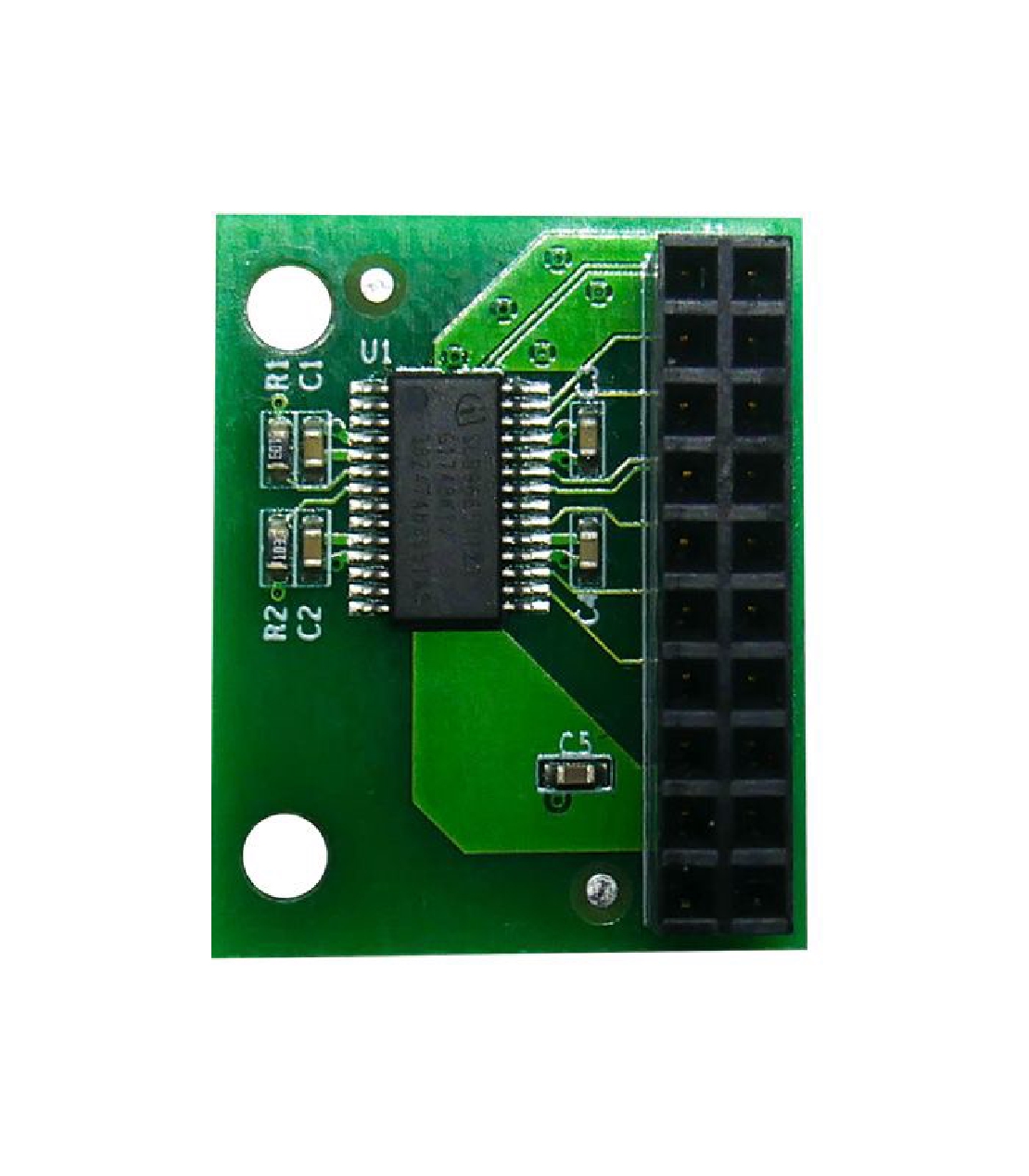
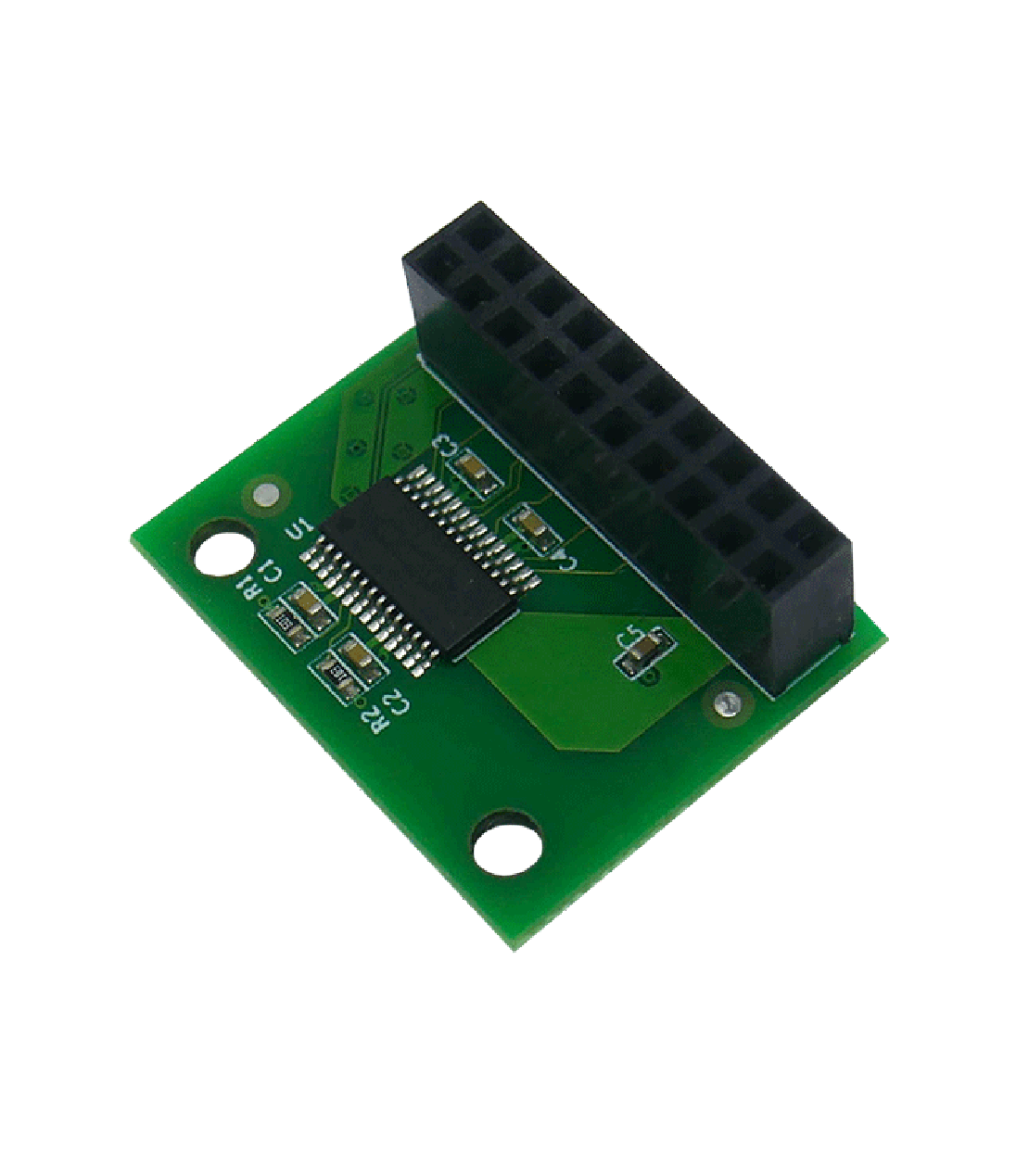
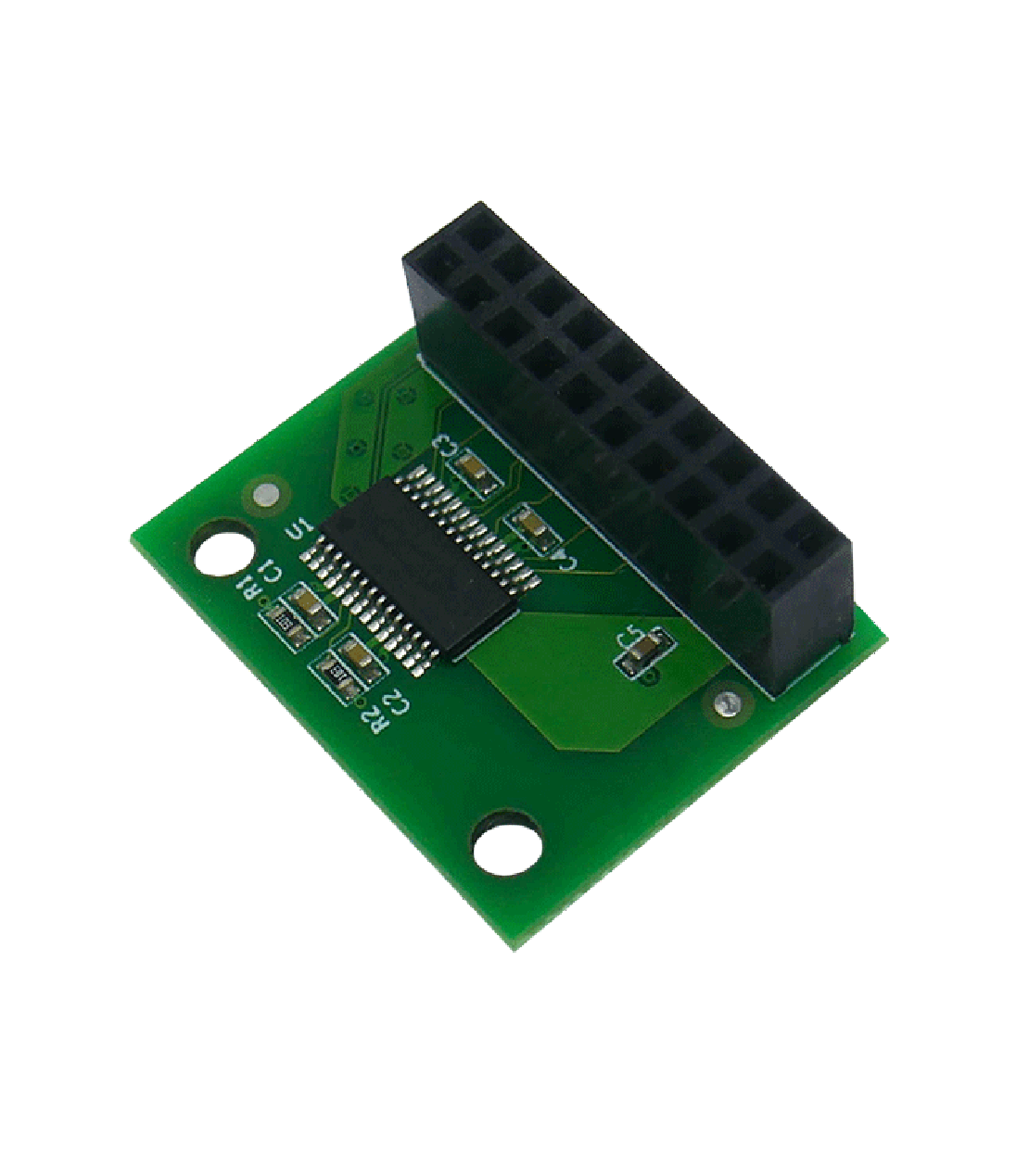
Our TPM2 modules firmware has been upgraded to 5.63.3144.0 version, which mitigates ROCA vulnerability. We provide TPM2 compatible with 2x10p LPC header and TPM2 compatible with 2x5p LPC header (populated on Librebox platform).
TPM2 module features
Details below refer to models our company has in offer
TPM2 Module
- Infienon TPM SLB9665TT20FW561XUMA1
- Operating voltage 3-3.3V
- Meeting Intel TXT, Microsoft Windows and Google Chromebook certification criteria for successful platform qualification
- True Random Number Generator (TRNG)
- Full personalization with Endorsement Key (EK) and EK certificate
- Supports the LPC interface and interrupts are communicated with the serial interrupt (SERIRQ) protocol